Popular Buddhist Places in Delhi

Here’s a detailed guide to 10 notable Buddhist places in Delhi, each offering a unique spiritual vibe, architectural beauty and historical importance. If you’re planning to explore Buddhism in the city, this will be a helpful map.
1. Shanti Stupa, Delhi


-
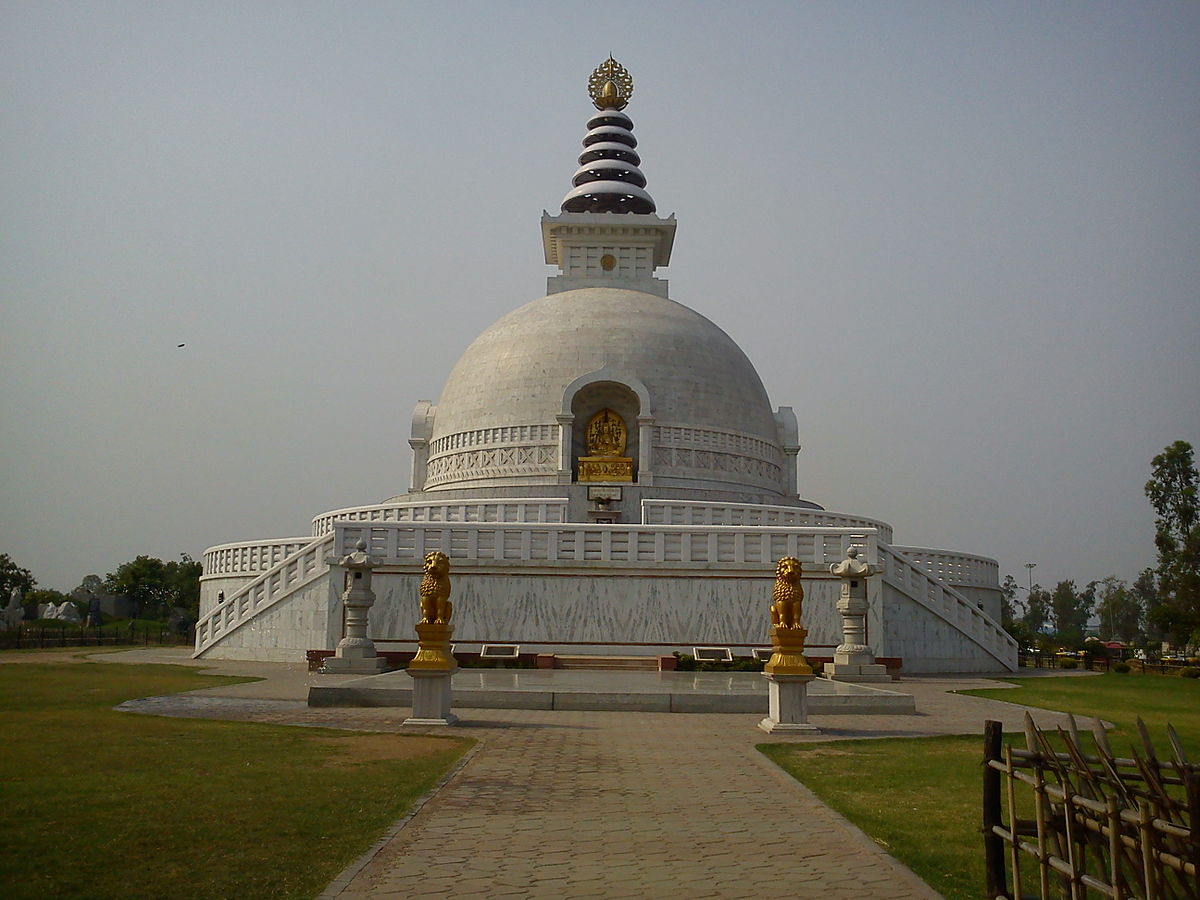
Location: Indraprastha Park, Ring Road, Salimgarh Fort area.
-
Why visit: This is a modern Peace Pagoda built by the Nipponzan-Myōhōji order, inaugurated by the Dalai Lama in 2007.
-
What to note: Many visitors say it’s one of the more peaceful places in Delhi.
-
Suggested time: Go either early morning or around dusk for coolest light and fewer crowds.
The Shanti Stupa stands as a modern symbol of peace and unity amid Delhi’s urban chaos. Built under the guidance of Japanese monks from the Nipponzan-Myōhōji order, the white dome reflects the idea of universal brotherhood through Buddhism. Its surroundings — lush lawns and quiet pathways — make it a perfect spot for reflection. The structure’s gleaming marble, intricate carvings, and serene Buddha statue offer a calming energy that contrasts beautifully with the city’s fast pace.
2. Buddha Jayanti Park / Buddha Garden


-
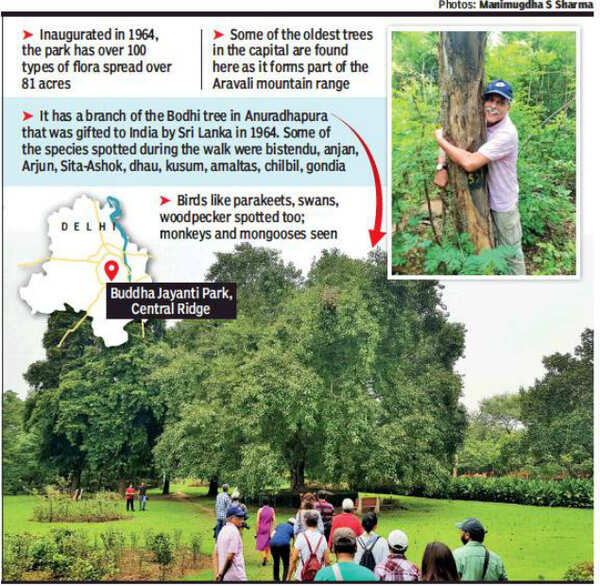
Location: Ridge Road near Dhaula Kuan.
-
Highlights: The park was created to mark the 2,500-year anniversary of Gautama Buddha’s enlightenment and includes a sapling brought from the original Bodhi tree in Sri Lanka.
-
Why it stands out: Offers a green, quieter space in Delhi with Buddhist associations.
-
Tip: Wear comfortable shoes because the park is spacious; it’s better visited in daylight.
Spread across the central ridge, Buddha Jayanti Park offers a tranquil blend of nature and spirituality. The centerpiece is a statue of Lord Buddha beside a Bodhi tree — a sapling grown from the sacred tree in Bodh Gaya. The park’s landscaped lawns, flowering shrubs, and meandering paths make it ideal for both spiritual reflection and leisurely walks. It’s also a popular meditation spot among locals, particularly in the early morning when the mist enhances its meditative atmosphere.
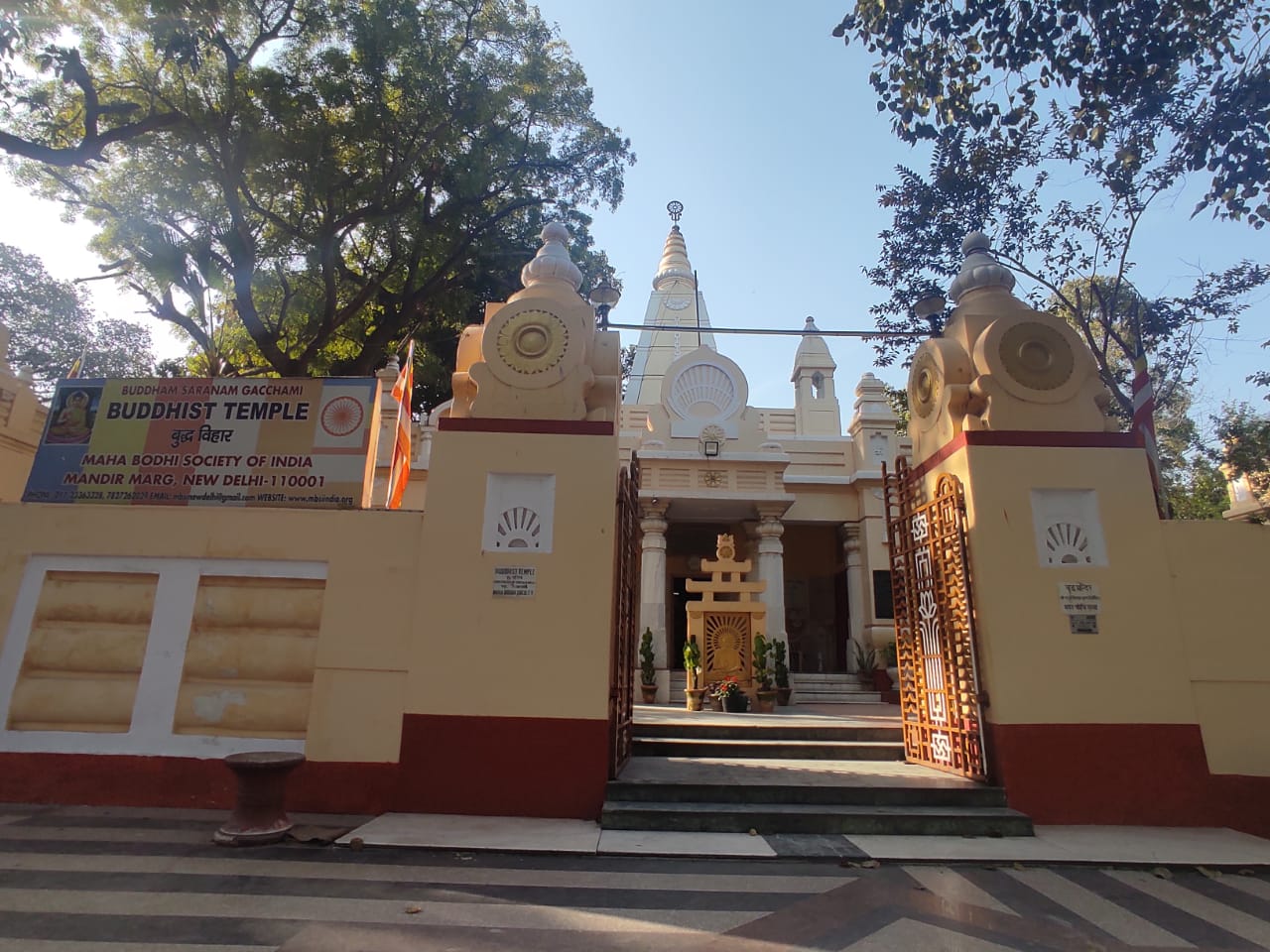
3. Mahabodhi Vihara, Delhi (Centre of the Maha Bodhi Society of India)

-
Location: Mandir Marg (Road), near Birla Mandir, New Delhi.
-
Historical note: The land was donated by the British-era Viceroy; foundation stone laid in 1931; opened by Mahatma Gandhi in 1939.
-
Why visit: Central, accessible and gives a strong feel of Buddhist devotional space in Delhi.
-
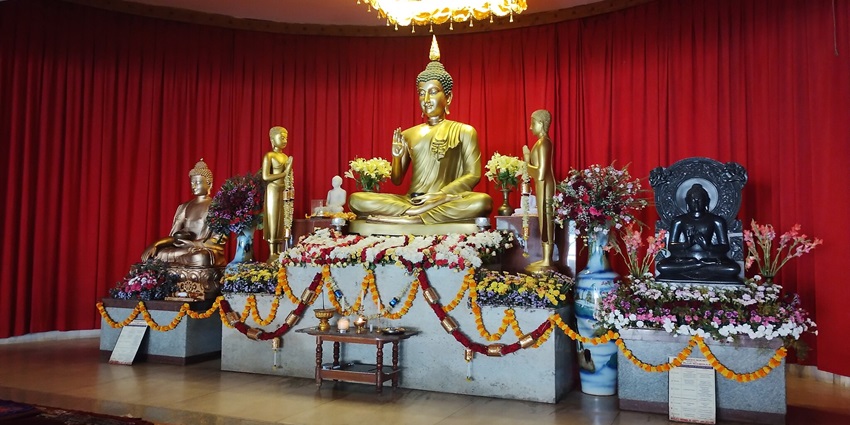
What to observe: Note the Buddha statues, decorative elements, and the calm inner halls.
The Mahabodhi Vihara on Mandir Marg serves as a major hub for Buddhist learning and practice in Delhi. Managed by the Maha Bodhi Society of India, it plays a vital role in spreading Buddhist teachings and philosophy. Inside, visitors find serene halls adorned with detailed murals depicting Buddha’s life. The vihara’s architecture draws inspiration from the ancient Mahabodhi Temple in Bodh Gaya, creating a sense of continuity with one of Buddhism’s most sacred sites.
4. Ladakh Buddhist Vihar, Delhi


-
Location: Bela Road, near ISBT Kashmere Gate, Railway Colony, Civil Lines.
-
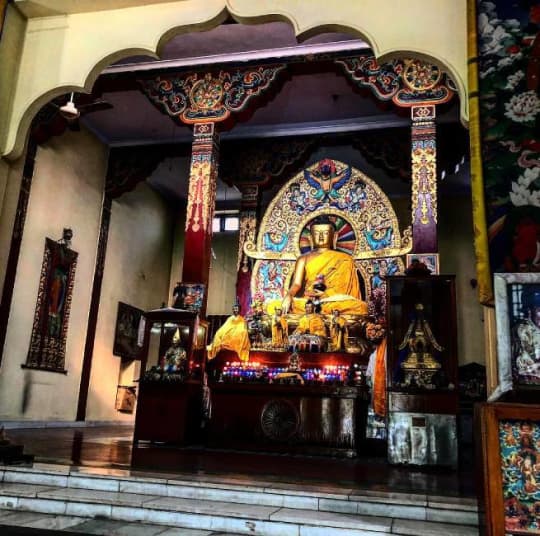
Point of interest: Described as “Delhi’s first Buddhist monastery” by some sources, with numerous prayer wheels and a large golden Buddha image.
-
Ideal for: Those interested in Tibetan / Himalayan Buddhist culture within Delhi.
-
Travel tip: Close to Kashmere Gate metro; good for combining with a visit to nearby Tibetan market at Majnu Ka Tila.
The Ladakh Buddhist Vihar represents the spirit of the Himalayan monasteries within the heart of Delhi. Built by the Ladakhi Buddhist community, it’s both a religious center and a cultural bridge. The golden Buddha statue, surrounded by rows of prayer wheels, radiates peace and faith. Colorful murals and thangka paintings add a vibrant contrast to the whitewashed walls. The monastery also serves as a community hub for Ladakhis living in Delhi, hosting festivals like Losar with devotion and joy.
5. Jagajjyoti Buddha Vihar
-
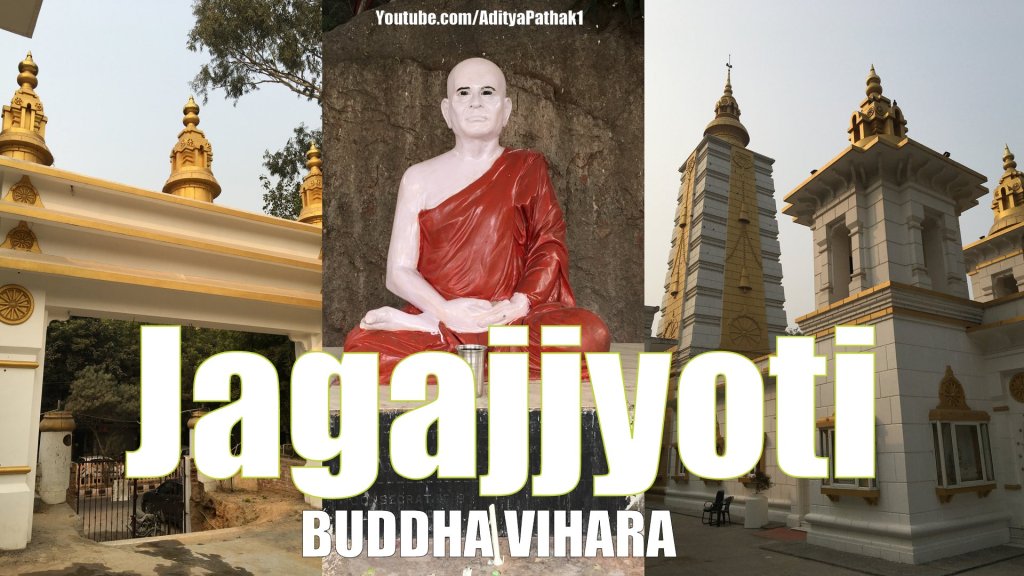
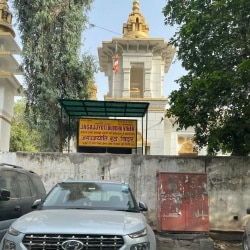
Location: 149 /16, Raja Dhirsain Marg, Amrit Puri, Block B, Sant Nagar, East of Kailash, New Delhi 110065.
-
History / significance: Established in 1956 and affiliated to the Barua Buddhist community (Bengali Buddhists).
-
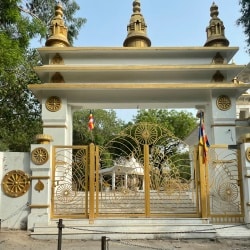
What you’ll see: Sanchi-style gateway, a Bodhi tree, marble Buddha statue in Parinirvana pose.
-
Suggestion: Calm afternoon visit after exploring nearby Nehru Place / East of Kailash area.
The Jagajjyoti Buddha Vihar is one of Delhi’s lesser-known yet culturally rich Buddhist centers. Established by the Barua Buddhist community, it reflects the influence of Indian Buddhist art through its Sanchi-inspired torana and marble Buddha statue in Parinirvana posture. The vihara’s small garden with a Bodhi tree offers a peaceful setting for chanting and meditation. It’s a gentle reminder of how Buddhist heritage has continued to thrive among diverse communities in India’s capital.
6. World Buddhist Centre, Delhi

-
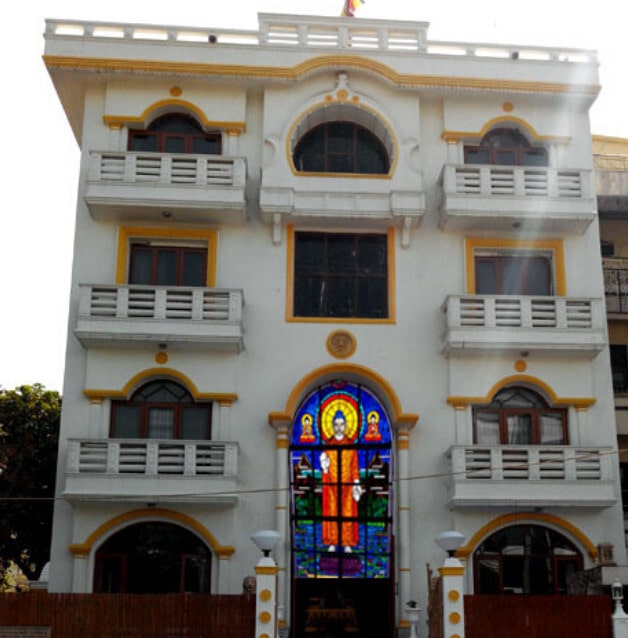
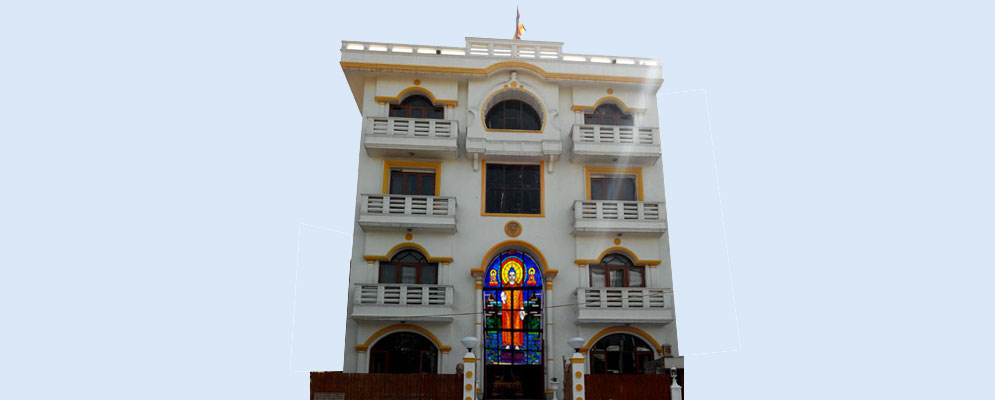
Location: Defence Colony, South-East Delhi.
-
Description: Non-sectarian Buddhist temple founded in 1996; open for meditation, pujas, community.
-
Why worth visiting: If you’re staying in South Delhi (Hauz Khas, GK, etc.) this centre is nearby and less touristy.
-
Tip: Check their schedule for morning puja (6–7 am) or evening (6–7 pm) for a quieter time.
Founded by Japanese monk Rev. Gyomyo Nakamura, the World Buddhist Centre promotes an inclusive approach to Buddhism. The temple combines simplicity and elegance — from its wooden altar to the tranquil meditation rooms. It attracts both Indian and international visitors seeking peace and mindfulness practices. Regular meditation sessions, chanting ceremonies, and Dharma talks are open to the public. Its mission of harmony and compassion resonates deeply with Delhi’s cosmopolitan spiritual landscape.
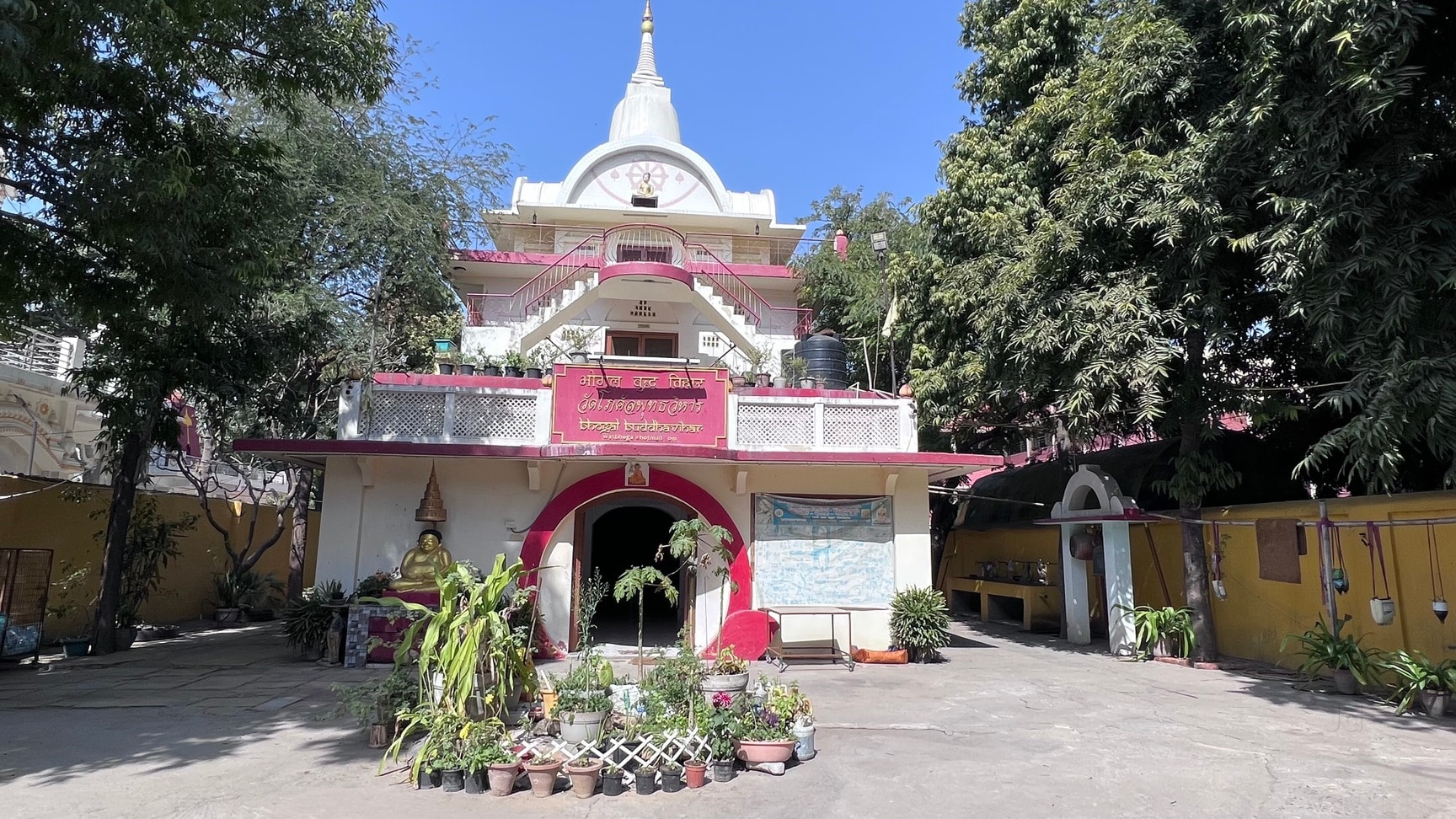
7. Bhogal Buddha Vihar (Jangpura area)
-
Location: 112, Hospital Road, Jangpura (Bhogal), Delhi.
-
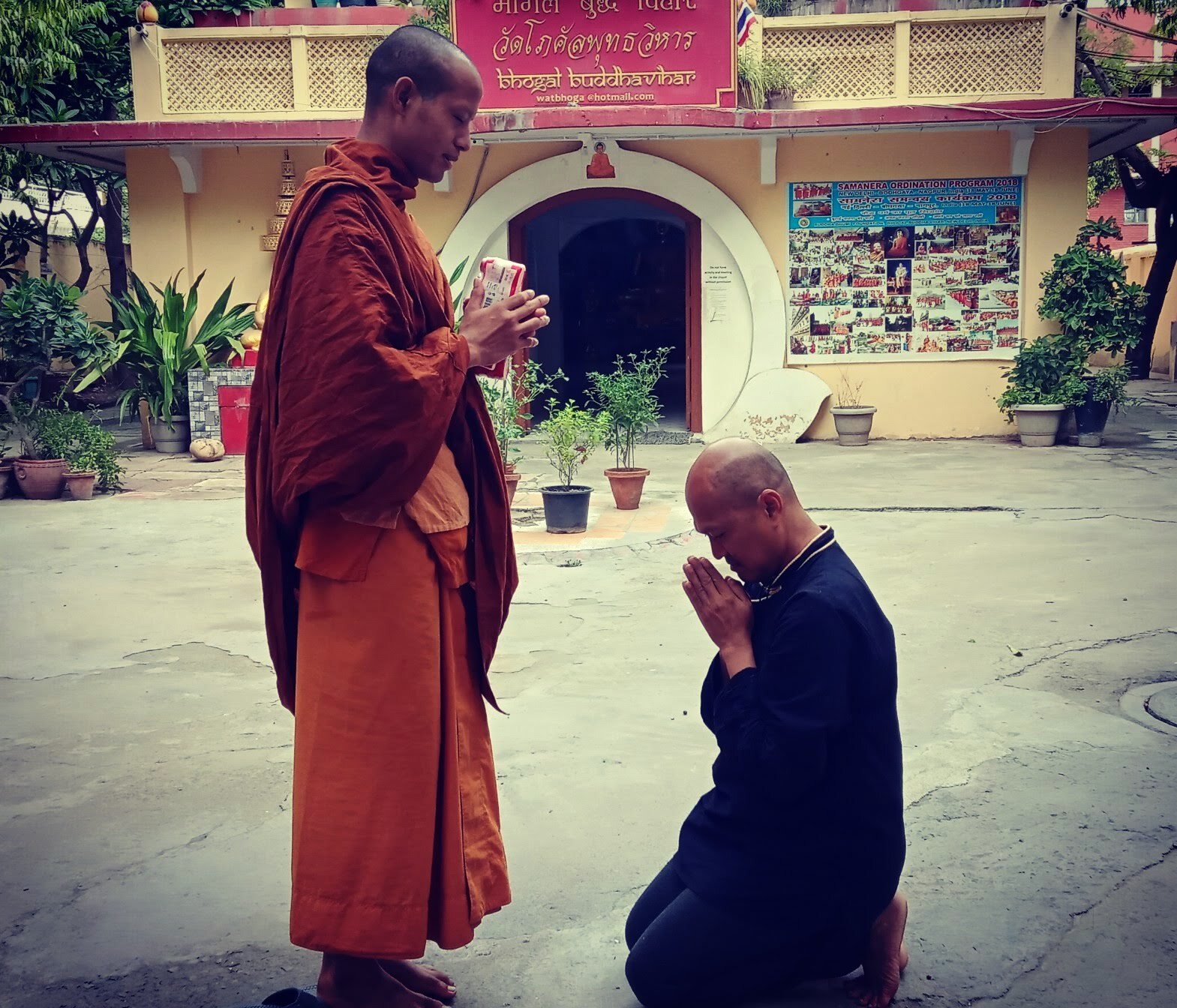
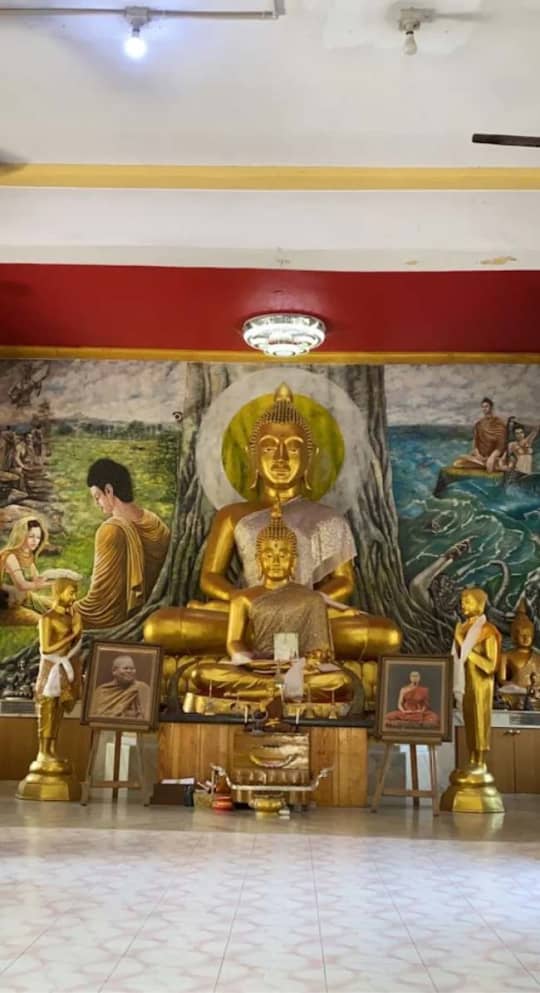
What makes it special: A Thai-style small monastery in Delhi that provides a calm atmosphere and wall-art scenes from Buddha’s life.
-
Good for: A quiet stop in central Delhi, before or after a visit to Lajpat Nagar or Bhogal market.
The Bhogal Buddha Vihar is a beautiful example of Thai Buddhist architecture nestled in the Jangpura area. Its golden spire, vibrant murals, and Buddha images bring a Southeast Asian aesthetic to Delhi’s spiritual mix. The vihara is run by the Thai community and welcomes visitors of all faiths. Inside, one can witness monks performing daily rituals or simply meditate in silence. The warm hospitality and cultural authenticity make it a hidden gem for anyone exploring central Delhi.
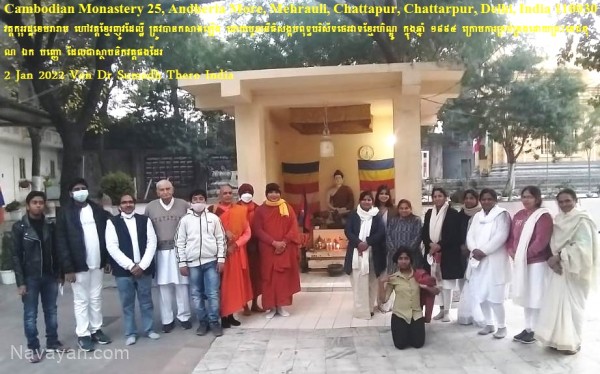
8. Cambodian Monastery (Wat Khmer) Delhi
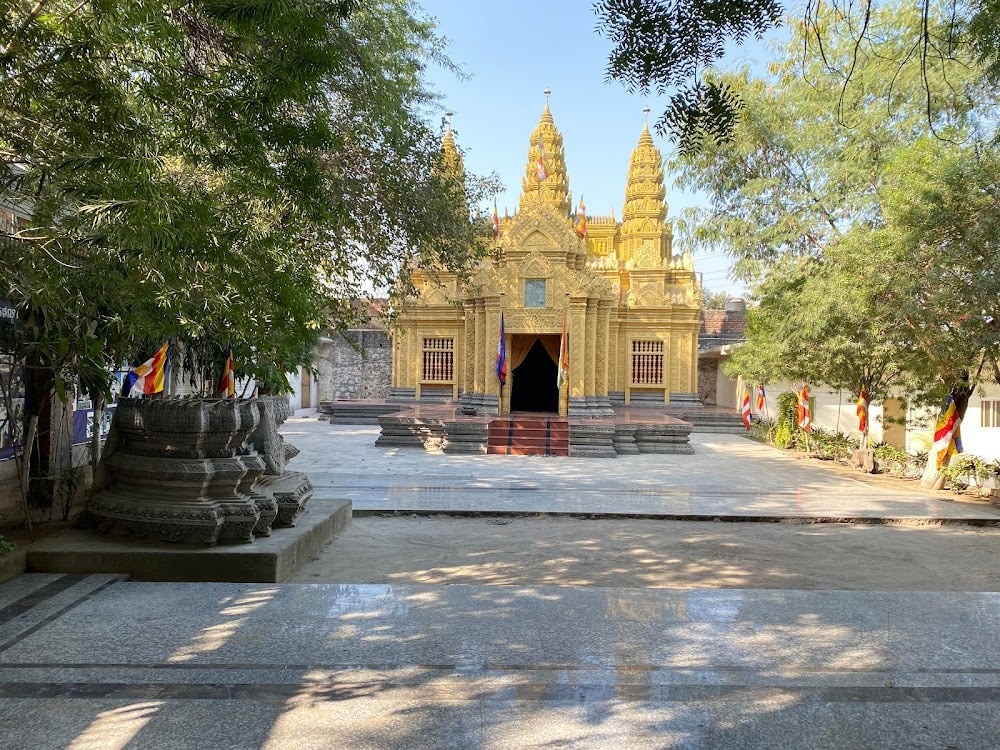
-
Location: Andheria More, Mehrauli 110030, New Delhi.
-
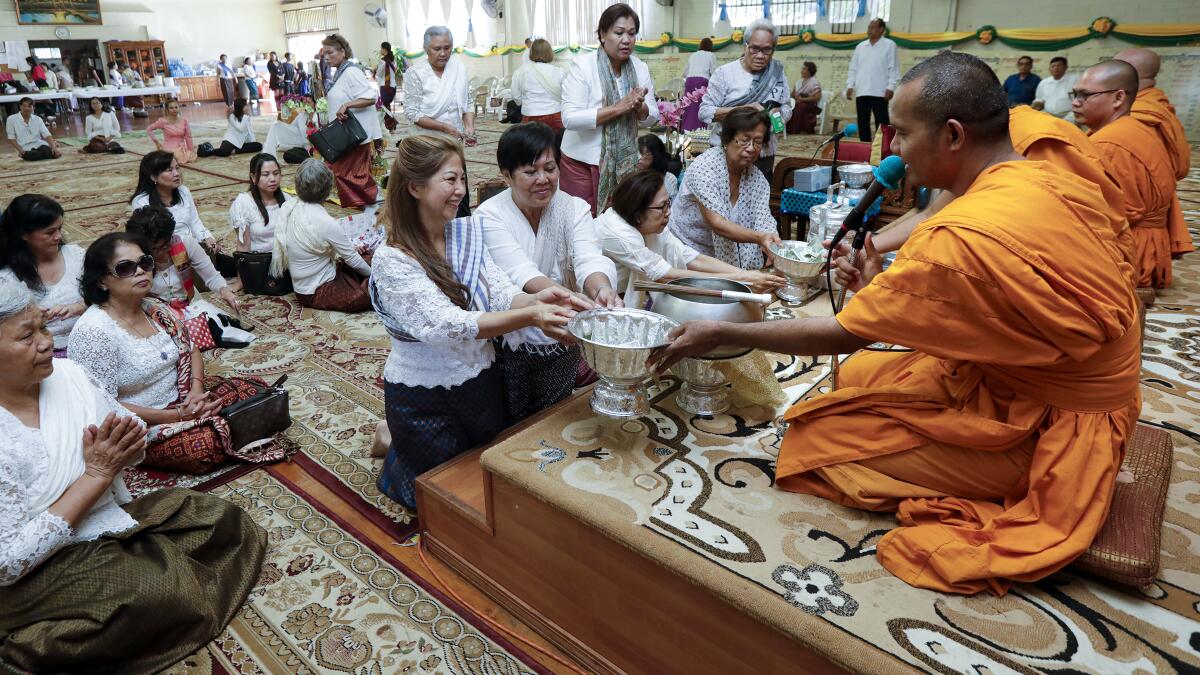
Interesting fact: Established by Khmer Theravada Buddhist community; reflects Cambodian tradition in Delhi.
-
Suggested visit: Combine with Mehrauli Historic Area visit (Qutub Minar, etc.) – Mehrauli is rich in history.
The Cambodian Monastery, or Wat Khmer, offers a glimpse into the Theravada Buddhist traditions of Southeast Asia. Its pagoda-style roof and colorful murals mirror the monasteries found in Cambodia. The site is calm, modest, and spiritually charged — a peaceful counterpoint to Mehrauli’s bustling streets. The monastery’s monks often interact warmly with visitors, explaining Buddhist philosophy and meditation methods. It’s a rare cultural enclave where Delhi meets Phnom Penh in spirit.
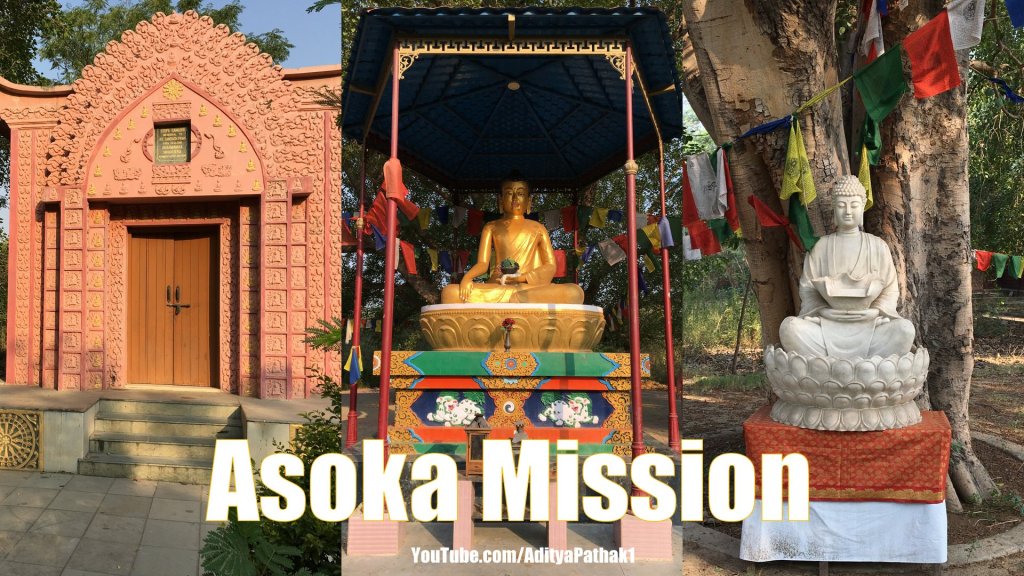
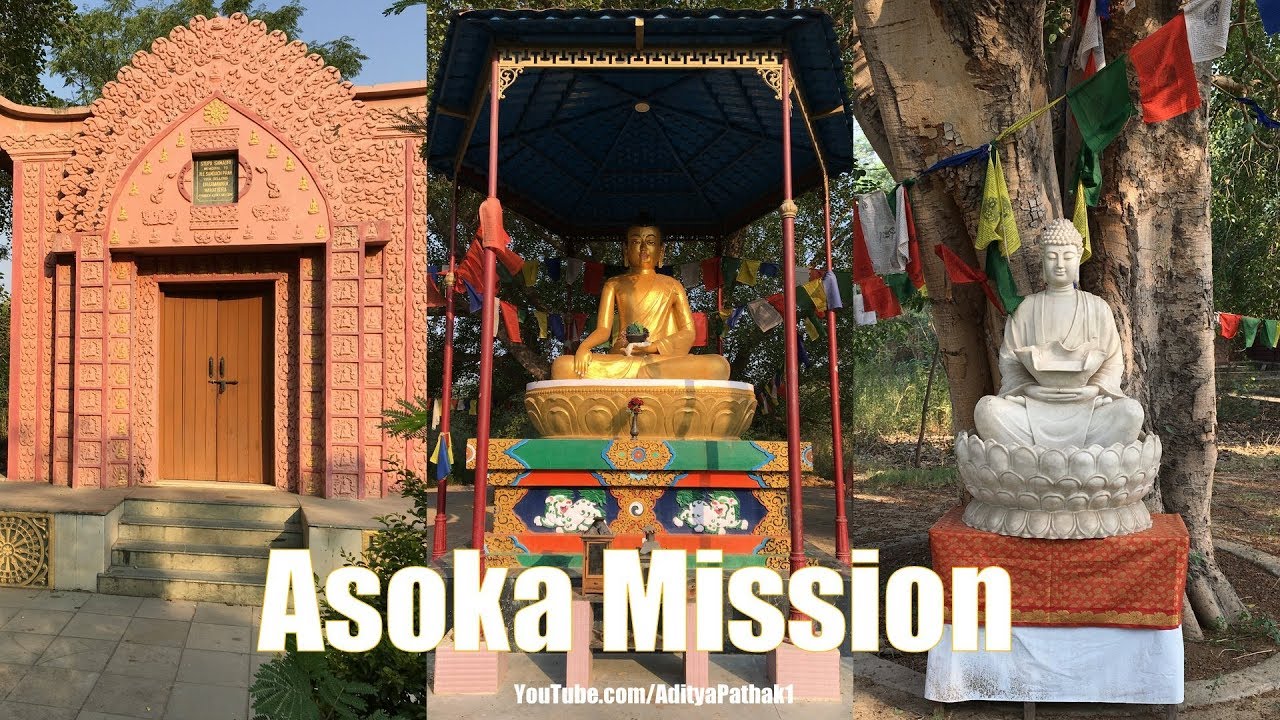
9. Asoka Mission, Mehrauli

-
Location: Mehrauli sector, New Delhi.
-
Historical importance: Founded in 1948 by a Cambodian monk Ven. Dharmavara Mahathera with support from Jawaharlal Nehru.
-
What you’ll find: Heritage campus, library, meditation areas, social activities.
-
Note: Because of its location in the historic Mehrauli area, you can pair a visit with the Qutub Minar complex or Mehrauli Archeological Park.
The Asoka Mission is one of Delhi’s oldest and most respected Buddhist institutions. Its large campus includes meditation halls, a library, residential quarters for monks, and educational programs promoting interfaith harmony. The mission’s founder, Ven. Dharmavara, envisioned it as a hub for peace and learning after India’s independence. The quiet surroundings and heritage trees make it a perfect stop for those wanting a deeper understanding of Buddhist thought within a historical setting.
10. Tibetan Monastery, Majnu Ka Tila

-
Location: Majnu Ka Tila (Tibetan Colony), North Delhi.
-
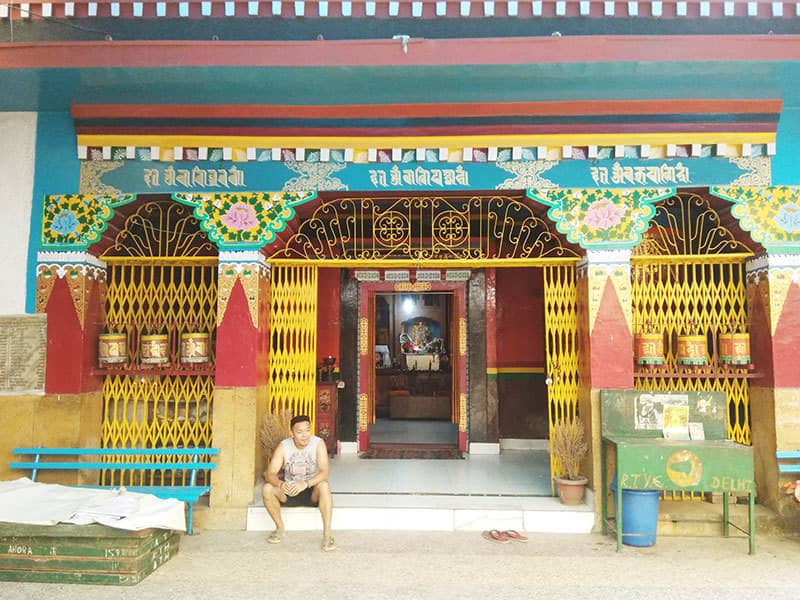
Why go: This Tibetan settlement is vibrant, and the monastery offers a slice of Tibetan Buddhist culture including prayer wheels, flags, and meditation.
-
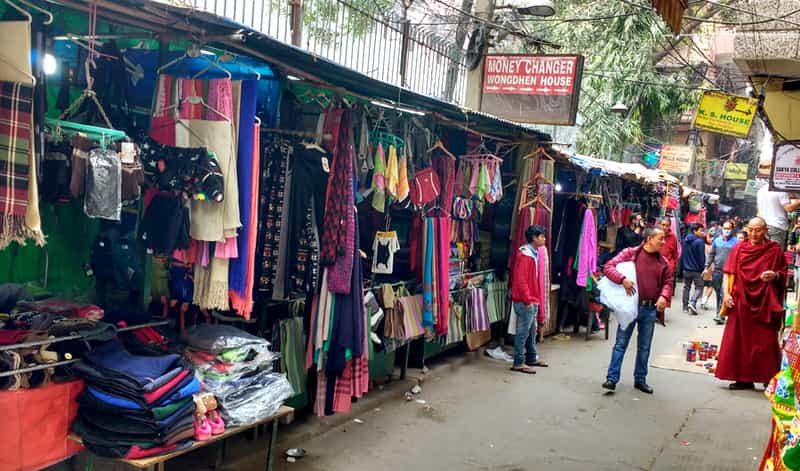
Bonus: Right next to the monastery is Tibetan market and eateries – so you can make a fuller half-day outing out of it.
-
Travel tip: Go in the afternoon or early evening; check opening times.
Located within Delhi’s most colorful Tibetan enclave, the Tibetan Monastery at Majnu Ka Tila is both a spiritual and cultural landmark. Inside, prayer flags flutter, incense fills the air, and monks chant sutras — transporting visitors straight into the heart of Tibetan Buddhism. The monastery’s walls are decorated with thangka paintings and symbolic mandalas. After offering prayers, visitors can enjoy Tibetan tea, momos, and local crafts at the nearby market — making it one of Delhi’s most unique immersive experiences.
Planning Your Route & Visit Tips
-
Geography: Most of these places are spread across Delhi — North (Majnu Ka Tila, Kashmere Gate), Central (Mandir/Mahabodhi Vihara), South (Defence Colony, Mehrauli). Plan by region to save travel time.
-
Timings: Some monasteries have specific open hours; many are open early morning and close at dusk.
-
Dress Code & Etiquette: As with any religious site, dress modestly (shoulders covered, no shorts). Remove shoes where required. Maintain quiet and respectful behaviour.
-
Combine with sightseeing: For example: Mehrauli has historic monuments; Mandir Marg area has other temples; Majnu Ka Tila is near Civil Lines metro.
-
Best time: Autumn to winter (Oct-Feb) offers pleasant weather for outdoor visits.
-
Photography: Always check if photography inside is allowed; some meditation halls may be off-limits.
-
Meditation / Pause Time: These places are excellent for a genuine moment of calm in a busy city. Even 10-15 minutes of quiet inside a vihara can feel restorative.
Why These Places Matter
-
They show the diversity of Buddhist traditions present in Delhi: Theravada, Mahayana, Tibetan, Southeast Asian, etc.
-
They are living places of worship and community, not just tourist stops.
-
For anyone interested in spiritual travel, these add a dimension beyond the usual “heritage monument” tour of Delhi.
-
They offer quiet, reflective spaces which are rare in a city as busy as Delhi.